













DragonSlots App On Mobile In Australia

Available in Australia, DragonSlots lets adults play on mobile with clear steps for setup, deposits, and limit tools in 2026.

Slot Fortune Gems 2

Table of Contents

  • The Dog House Megaways Slot
  • Lucky Joker 10 Extra Gifts Slot
  • Sword of Ares Slot
  • Floating Dragon Hold & Spin Slot
  • Leprechaun Riches Slot
  • Fruit Coctail Slot
  • The Dog House Megaways Slot
  • Sword of Ares Slot
  • Fruit Million Slot
  • The Dog House Megaways Slot
  • Fruit Box Slot
  • Big Fisherman Slot
  • Seven Books Unlimited Slot
  • DragonSlots Fortune Slot
  • Sword of Ares Slot
  • Floating Dragon Hold & Spin Slot
  • 9 Mad Hats Slot
  • Floating Dragon Hold & Spin Slot
  • Big Bass Splash Slot

What Mobile Play Looks Like With DragonSlots In 2026

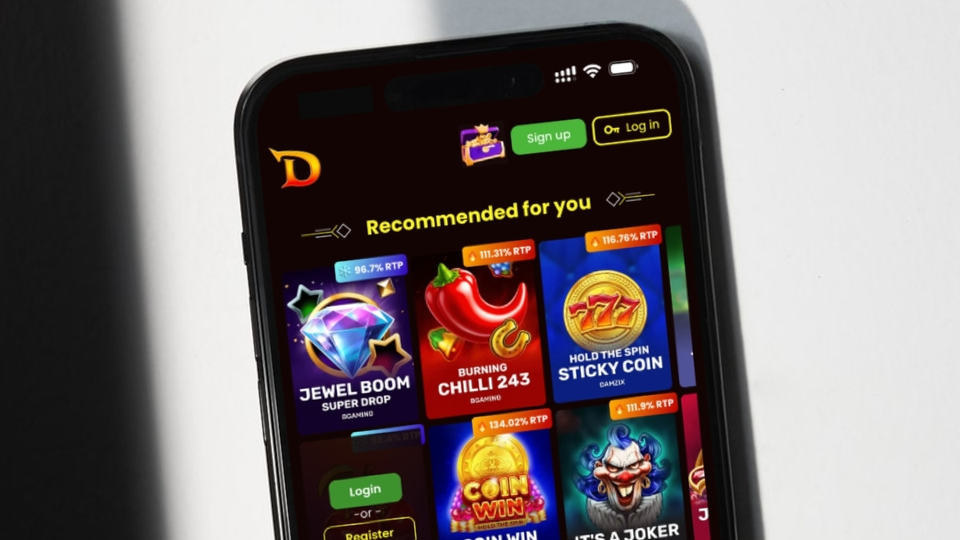
Mobile gambling in 2026 is less about “having an app” and more about controlling the small choices that happen fast: where you tap, how you fund, and when you stop. DragonSlots on mobile can feel effortless, but effortless is exactly why players need a simple routine.
app 1

Imagine you have a spare twenty minutes after work and you open the lobby while dinner is in the oven. If the screen is noisy, you can lose half your time scrolling and still not start a session. The win is not a bigger feature list - it is a cleaner path from opening the app to playing one game and closing it on purpose.

The best mobile experience usually comes from three habits: you keep your phone stable (updates, storage, connection), you keep your account details consistent (so cash-outs do not turn into surprise paperwork), and you use limit tools early (so your mood does not decide your budget).

When An App Beats A Browser Session

A browser session can be fine, but mobile apps are built to remember your last steps: saved preferences, faster logins, and smoother navigation. That convenience matters most when you want a short, focused session instead of an “accidental hour.”

Picture this: you are in bed, tired, and you just want a quick game before sleep. A browser can reload, ask for repeated prompts, and tempt you to keep browsing. A mobile application, set up properly, gets you in and out with fewer detours.

The trade-off is obvious: convenience can push you toward impulse taps. That is why the rest of this article keeps coming back to one idea - make your setup decisions once, so you do not have to negotiate with yourself every night.

What To Decide Before You Install Anything

Before you download, decide what “good” looks like for you. Is it a smooth login? A fast cashier? A way to keep sessions short? If you know your priority, you will configure the app to support it.

Imagine you usually play on mobile data while commuting. If your connection is patchy, you need a routine for quick checks: open the lobby, pick a saved favourite, play a small set of rounds, then stop. If you plan around reality, the experience feels stable even when your signal is not.

Also decide how you want notifications to behave. If you dislike being nudged, turn promo alerts off and keep only security or account updates. That one choice can reduce impulse play more than any motivational speech.

Installing And Updating The Mobile Application

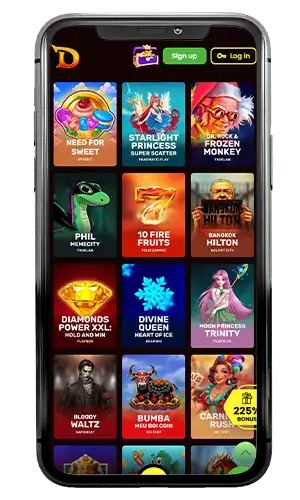
Installation is not complicated, but it is easy to do it in a messy way and then blame the platform for what is really a phone problem. A clean install takes a few minutes and pays you back every time you open the app.

app 2

Imagine you hit download while five other apps are updating, your storage is almost full, and your phone is warm. The install crawls, then the first launch stutters. Do it once with a calm setup and you avoid that whole spiral.

Permissions, Storage, And The First Clean Launch

Start with space. Free enough storage so the application can download assets without constant “not enough space” errors. Then update your operating system if you have been postponing it. Small stability updates are boring, but they reduce random crashes.

Picture a common scenario: you download, launch, and immediately get asked for permissions you do not understand. Do not accept everything automatically. Allow what is needed for basic function, and be selective with notifications. If you want fewer prompts later, you can allow notifications for account changes and payment updates, then disable marketing-style alerts.

On the first launch, let the app sit for a moment. Many mobile apps do a first-run sync, loading content and caching images. If you start tapping aggressively while everything is still loading, you create the feeling of lag. Give it thirty seconds, then navigate.

If you use battery saver mode often, remember it can throttle performance. Imagine you are at fifteen percent battery, battery saver is on, and everything feels slow. Charging up and turning off battery saver for a session can make the lobby feel instantly smoother.

Finally, pick a security habit that fits you. If your phone supports biometric unlock, use it. It is faster than passwords and it reduces the chance that someone else opens your account if your device is left unattended.

Signing In, Verification, And Privacy Habits

Account setup is where players either make their future cash-outs easy or set themselves up for frustration. The trick is not to rush. Fill details carefully, keep them consistent, and treat verification as a standard safety step, not an insult.

app 3

Imagine you win on a quiet Tuesday night and decide to withdraw right away. If your profile has incomplete details or mismatched information, you might face delays and extra checks. When your account is tidy from day one, requests tend to feel more predictable.

Privacy is mostly practical behavior. Do not share accounts. Do not log in on random shared devices. Avoid saving passwords on a public computer. If you change a phone number or address, update it carefully and expect that changes can trigger extra review steps for a while.

A good micro-routine is simple: after your first sign-in, open settings, check personal details, set a strong device lock, and decide your notification preferences. You do this once, and you stop thinking about it every session.

Payments, Cash-Outs, And Limit Tools On Mobile

The cashier is where emotions show up: excitement when you deposit, impatience when you withdraw, and anxiety when something takes longer than expected. A mobile routine keeps you calm because you know what to do at each step.

Imagine you deposit quickly, play, then want to withdraw before you sleep. If you do not know your own payment route and you switch methods mid-way, you can create extra verification steps. Consistency is your friend.

Below is a practical snapshot of mobile money habits that help keep things simple. Exact availability and timing can vary by method and checks, so treat this as guidance for decision-making, not a promise.

Mobile Money Choice (LSI)

Why Players Use It

Common Checks

Best Moment To Use

Simple Tip

Bank card payment

Familiar, quick top-ups

Ownership confirmation

Planned short sessions

Keep one main card

Bank transfer

Budget-focused funding

Name and bank detail match

Larger, planned play

Deposit earlier, not late

E-wallet method

Separate spending pocket

Security prompts

Routine sessions

Stick to one wallet

Crypto wallet transfer

Tech-forward option

Address and network checks

Advanced users

Double-check network

Prepaid voucher

Hard budget control

Region and code validity

Limits-first play

Track remaining balance

Picking A Payment Route You Can Repeat

Pick a funding method you understand and can repeat without switching every week. The goal is to remove friction, not to experiment with money tools each session.

Imagine you top up with one method because it is fast, then later try to withdraw to a different route because it “feels safer.” That mismatch can trigger additional checks. If you want fewer surprises, pair your deposit and withdrawal path early and keep it consistent.

Another useful habit is to deposit only when you are calm. If you deposit while you are annoyed or chasing a loss, you turn the cashier into an emotional lever. A pause of two minutes (water, breath, short walk) before you fund can change your whole session.

What Happens During A Withdrawal Review

Withdrawal reviews can include identity confirmation, payment ownership checks, and routine fraud prevention steps. None of that is exciting, but it is common in online payments, especially when money moves out rather than in.

Picture the moment: you request a cash-out and then you refresh the screen every minute. You make yourself anxious, then you start changing settings or trying again. A better approach is to submit once, note the status, and wait for a clear update or a support message.

If you are asked for documents or additional details, treat it like a checklist. Provide clear images, match your information, and avoid last-minute changes to your profile while a request is pending. Small edits can trigger re-checks and extend the process.

Building Limits Before You Start Chasing

Limit tools are the most underrated mobile feature because they protect you from “fast decisions.” Set deposit caps and session reminders when you are neutral, not when you are already excited.

Imagine you planned a small session, then you hit a decent win and your brain says, “press it.” That is when a cap helps. It turns the decision from emotional to mechanical: you hit the limit, you stop, and you keep your night intact.

A practical way to set limits is to start with what you can comfortably lose in a week without noticing it. Then set a daily cap that is smaller than that weekly number. Add a time reminder that fits your real life, like a prompt at twenty minutes. If you ignore reminders, shorten the time. Make the tool work for you, not for a fantasy version of you.

Finding Games Fast And Keeping Sessions Short

Mobile lobbies can be a blessing or a trap. If you use search and favourites, you can start playing in seconds. If you browse endlessly, the lobby becomes the game and you never actually enjoy a session.

Imagine you have ten minutes before you head out. You open the lobby, scroll through categories, and suddenly you are late and frustrated. A “fast path” setup means you open, pick, play a small set of rounds, then close.

Search And Filters That Save Time

Search is the fastest tool when you know what you want. Use it like a shortcut, not like a research project. Type a few letters, confirm the title, launch, and you are in.

Picture a tired evening where your attention is low. That is when filters can become a time sink. Limit yourself to one filter choice, then pick the first game that looks reasonable. The point is entertainment, not perfect selection.

If the app offers categories like “new,” “popular,” or “recommended,” treat them as starting points, not instructions. You decide your session, not the lobby.

Favourites, Recent Plays, And Personal Shortcuts

Favourites are your personal menu. Save three to five games you actually enjoy, not the ones you think you should enjoy. This makes your next session easy.

Imagine you open the app while waiting for a friend to message back. You want a quick distraction, not a deep browse. A favourites list lets you tap once and play without thinking.

Recent plays are another shortcut, but use them carefully. If a recent game triggers you to chase or play longer than planned, remove it from your routine. Your shortcuts should support calm play.

The One More Spin Moment And How To Stop

Every mobile session has a moment where control gets tested. You are almost done, then you think, “one more.” That is normal. The goal is to spot the moment early and act.

Imagine you planned fifteen minutes, your timer goes off, and you are on a small win streak. This is where people bargain with themselves. A simple rule helps: stop on the timer, take a two-minute break, then decide again. Most of the time, the break makes the urge fade.

If you notice you often ignore timers, use stronger tools: shorter reminders, a cooling-off period, or a forced break. These are not punishments. They are guardrails for fast tapping.

Support, Troubleshooting, And Calm Problem-Solving

When something goes wrong on mobile, the worst move is to panic-tap. The best move is to slow down, confirm what happened in your history, and then take one clear step at a time.

Imagine a round finishes and the screen freezes. You worry that money disappeared, so you restart instantly and request again. That can create duplicates or confusion. Instead, check the activity log first. It usually tells you what actually happened.

Fixing Lag, Crashes, And Login Loops

Start with your device. Close background apps, restart your phone, and try again. If the issue disappears, you just saved yourself a long support exchange.

Picture a night where your storage is nearly full and your phone is juggling updates. Apps stutter. Clearing space and rebooting can fix what looks like a platform problem.

If login loops happen, check the basics: correct credentials, stable connection, and whether your device time and date are set correctly. It sounds small, but time mismatches can cause sign-in issues in some apps.

If a crash repeats in one specific game, try a different title first. If everything else works, the issue might be isolated to one game load rather than the whole app.

How To Contact Support With The Right Details

Support is fastest when you bring clean information. Give the type of issue (payment, sign-in, game loading, promo tracking), the time window, and what you already tried.

Imagine two messages: “It doesn’t work” versus “At about 8 pm, the cashier kept loading, I tried Wi-Fi and mobile data, restarted the app, and the issue stayed.” The second message gets you real troubleshooting steps.

Keep your tone calm and your details short. If you are frustrated, write your message, wait one minute, then send it. That tiny pause often turns an emotional rant into a useful report.

A Practical Mobile Routine For Australia Players

A good routine is boring, and that is the point. In Australia, where players want convenience but still need to act within applicable rules, a calm routine keeps you in control: install cleanly, keep details consistent, choose one payment route, set limits early, and use favourites to avoid endless browsing.

Imagine you treat mobile play like brushing your teeth: a small, bounded habit. You open the app, play a short session, and close it without drama. That kind of routine is how adults keep gambling from leaking into the rest of life in 2026.

FAQ

Set a timer before you start and treat it as the end of the session, not a suggestion. If you feel the “one more” urge, take a two-minute break and decide again with a cooler head. Many players find that the break reduces impulse and makes stopping feel natural.

Close the app cleanly, reopen it, and check your transaction history before trying again. If you are on mobile data, switch to a stable network and retry once. If the issue repeats, contact support with the time window and what you already tried so they can investigate quickly.

Money moving out often triggers more checks than money moving in, such as identity confirmation and payment ownership review. This is common across online payments and is usually meant to protect accounts. Keep your profile details consistent and avoid changing them while a request is pending.

Turn off promotional alerts and keep only security or account updates. If you notice you open the app just because your phone buzzed, silence marketing notifications entirely. A quieter phone makes your decisions feel like your own.

Pick one route you understand and can repeat, then stick with it for deposits and withdrawals. Switching methods mid-way can create extra checks and confusion. If you want fewer surprises, keep it consistent and fund only when you are calm.

Use search when you know what you want and keep a short favourites list for quick sessions. Limit browsing by choosing one category and picking within a minute. This prevents the endless-scroll habit that turns a short break into a long session.

Use a timeout when you notice impatience, chasing, or playing longer than planned. It does not have to be dramatic - it can be a preventive reset. If the pattern keeps repeating, a longer break is often the cleanest way to protect your routine and return with better control.